Applying for a work visa usually means following several detailed steps, where even small mistakes can lead to delays or your application being denied. My experiences with the work visa process opened my eyes to how important careful planning and honest responses can be. Drawing from those experiences, I hope to help others steer clear of common pitfalls that can slow you down or get your work visa rejected. This article will guide you through what to watch out for, offer some practical tips, and answer frequent questions that tend to pop up along the way.
Why Small Errors Can Become Big Problems in Work Visa Applications
Work visa rules are in place to make sure that only eligible, honest applicants can work in that country. These rules might feel strict, but their purpose is to protect both the potential worker and people already living in the country. It’s surprising how something as minor as leaving out a document or not checking a box can turn a solid application into a frustrating situation.
Government numbers from countries like the United States and Canada reveal that many visa rejections happen because applications are incomplete, inaccurate, or don’t match up (see U.S. Department of State). Paying very close attention at every step saves time, reduces stress, and helps you get approved more smoothly.
Top Mistakes to Avoid When Applying for a Work Visa
Based on what I’ve seen, these are the most common errors people run into. Knowing them upfront really helps you get ready and send in a strong application.
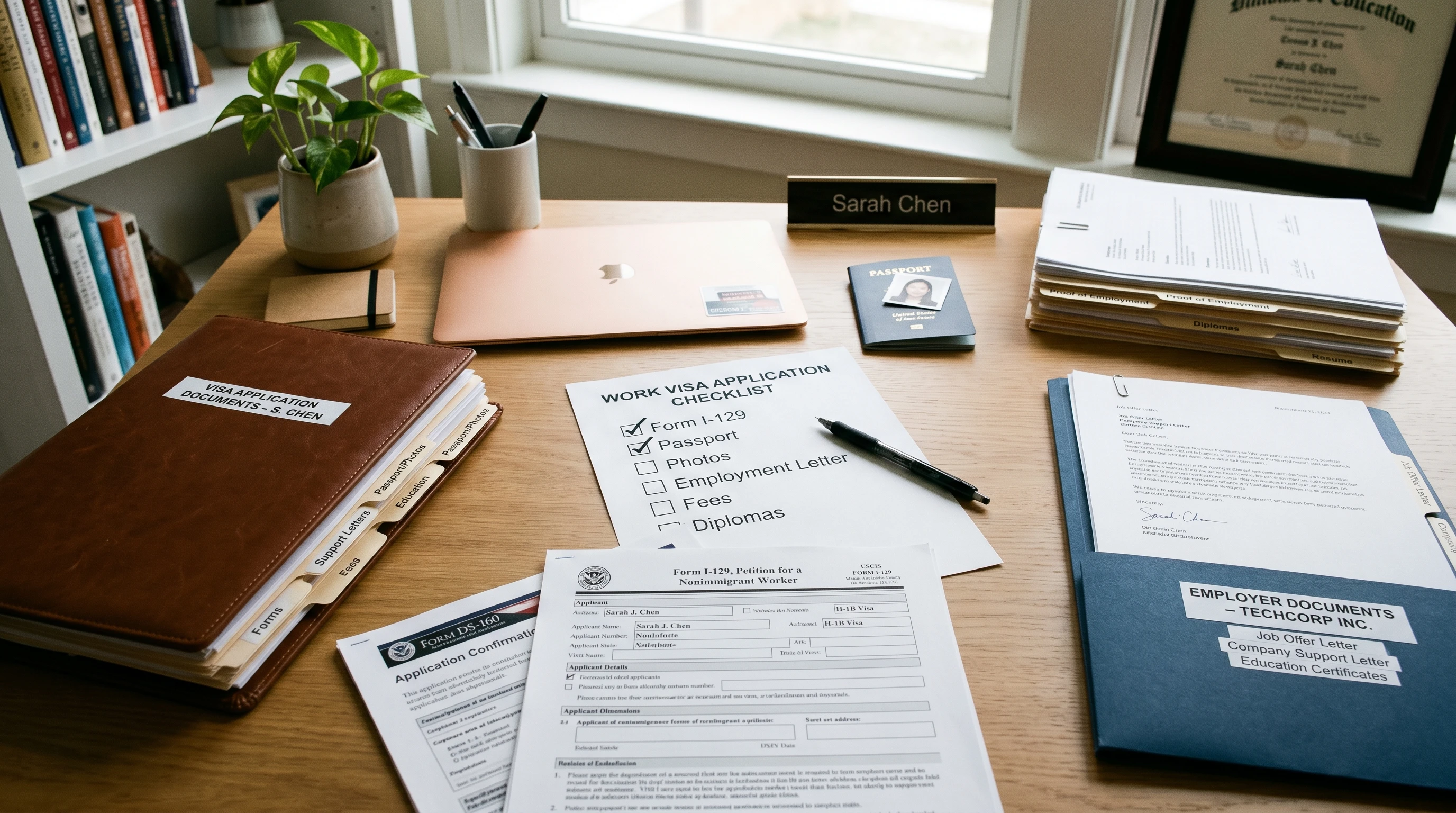
- Missing or Incorrect Documents: Every work visa application comes with its own specific documents you need to include. Not sending in all the required papers (like official offer letters, proof of qualifications, or employer sponsorship forms) is one of the top mistakes. Double-checking each item matters more than most people think.
- Inaccurate Personal Information: Things like typos in your name, passport number mistakes, or birth date differences can trigger extra questions. I always read over my forms a few times and compare them to my official documents.
- Unclear Job Offer or Role Description: Sometimes applicants put in vague job descriptions or offer letters that don’t meet the country’s requirements. Being specific, including pay details and working conditions, helps reduce confusion and back-and-forth.
- Missing Financial Proof or Paying the Wrong Fee: You usually need to prove that you or your employer can cover travel and living costs. Forgetting to include recent bank statements or paying the wrong amount can slow things down.
- Using Old Forms or Rules: Immigration rules switch up regularly. Using a form from last year or out-of-date guidelines can make all your effort pointless. Always get forms from the government’s official site on the day you apply.
- Not Explaining Gaps or Issues in Background: Gaps in your job history, any criminal record, or past visa denials should be handled honestly. Hiding things usually creates mistrust and further questions rather than helping your case.
- Leaving Out Health or Police Certificates: Some countries want a fresh health check or a police background certificate. Missing these or sending in an expired one can cause a serious stall or a rejection.
How to Prepare a Winning Work Visa Application
Once I saw how simple errors could cause major headaches, I started using a routine that keeps me organized and on track for any visa or official paperwork. This routine also helps others I’ve advised, making the process much smoother:
- Create a Checklist: Build your checklist using the exact government guidelines for your visa. Only mark off each item after two close reviews to catch any slip-ups.
- Keep Both Digital and Paper Backups: Save scans or photos of every document. If something gets lost or you need to submit it again, having these backups is a lifesaver. While many places accept digital files, some embassies still want the originals or physical copies.
- Read the Details: Carefully read the full instructions for every form. Even if questions seem repetitive, make sure your story is consistent throughout every document you send.
- Use Reminders: I use calendar apps or sticky notes to make sure I never miss a deadline. Work visa applications often have strict timeframes, and being late can cost you the job opportunity.
- Check for Updates: Before each step, check for any new announcements or policy switches on the official immigration site. Rules sometimes update without much notice.
What to Watch Out For: Country-Specific Requirements
Work visa rules look different depending on the country. For example, some countries want language exams, while others focus mostly on employer sponsorship. Here’s an overview based on my study sessions and own real applications:
- United States (H-1B): Needs employer sponsorship, a job offer in a specialty field, and at least a bachelor’s degree. Most situations require a Labor Condition Application (LCA) certified by the U.S. Department of Labor.
- Canada (Temporary Foreign Worker): Most roles need a Labour Market Impact Assessment (LMIA) from the employer, which proves a local worker wasn’t available for the job.
- United Kingdom (Skilled Worker): Needs a job offer from an officially licensed sponsor, specific qualifications and proof of English proficiency.
- Australia (Temporary Skill Shortage Visa): You’ll need your employer to nominate you, prove your skills with an assessment, and meet English language requirements.
Paying attention to finer details—like getting documents translated, having certified copies, and making sure each page is officially signed—really makes a difference. You can read government guides for your target country and also talk with an immigration consultant to make things easier. Extra guidance and forms can be found at the UK Government Work Visa page and the Canada Work Visa section.
Extra Tips for Impactful Applications
Setting yourself apart from other applicants involves more than just avoiding errors. Here’s what’s helped me get my applications noticed and approved more reliably:
Write a Straightforward Cover Letter:
Writing a brief cover letter that spells out why you want the job and how your experience fits is valuable. It helps people reviewing your application understand your story, especially if your background is different from what they’re used to.
Proofread Everything:
Typos and mismatched dates can ruin credibility. I always have a friend or colleague who’s detail-focused give my application a once-over before I send it in.
Be Honest and Clear:
Explaining career gaps or past issues openly is always better than ignoring them. Immigration officers tend to trust applicants who show transparency up front.
Get Your Advice from Trusted Sources:
I always start with official government information, then check top-rated immigration lawyers or experts if something is confusing. I never risk my application by acting only on what I read in random online chats.
Stay Patient and Calm:
Visa decisions can take longer than expected. Keeping cool and prepared helps a lot while you wait.
Frequently Asked Questions
New applicants run into similar concerns. Here are some questions I get asked a lot by friends and other people tackling work visa forms for the first time.
Question: What if my visa is denied because I missed a document?
Answer: Most countries let you apply again after correcting what went wrong. I carefully read feedback from the consulate, address whatever was missing, and then try again—always using a checklist to prevent the same issues twice.
Question: Should I use a consultant or lawyer?
Answer: When my case is simple, I handle it myself using only official government resources. If my history is complicated, or if I had a denial before, getting professional help brings peace of mind and can catch things I would’ve missed.
Question: When should I start my application?
Answer: I start the process as soon as my employer or program allows. Some visas are processed in a few weeks, but others can take months. Planning well in advance helps me avoid lost opportunities or trouble with start dates.
Question: Can I trust online forums for advice?
Answer: Online forums have lots of real stories, but I always double check any advice with the government’s site or a licensed consultant. Official information is always safest.
Getting Your Work Visa Application Right
Focusing on the details, being honest, and staying organized really helps your chances with work visa applications. My experience has shown that doing your homework and staying orderly reduces stress and makes it way more likely you get a yes. Taking time to double check each step gives you confidence while you wait. With good preparation, more people can achieve their dream of working abroad and sidestep unnecessary problems along the way.