
Applying for a work visa can feel confusing, especially if you’ve never done it before. Whether you’re considering a shortterm role overseas or planning a longterm career move, getting your paperwork right from the start really matters. Over the years, I’ve worked with friends, colleagues, and even clients who needed help figuring out the ins and outs of visa applications. Staying organized, prepared, and informed goes a long way. Here, I’ll share a clear step by step guide that makes the process easier and helps avoid unnecessary delays.
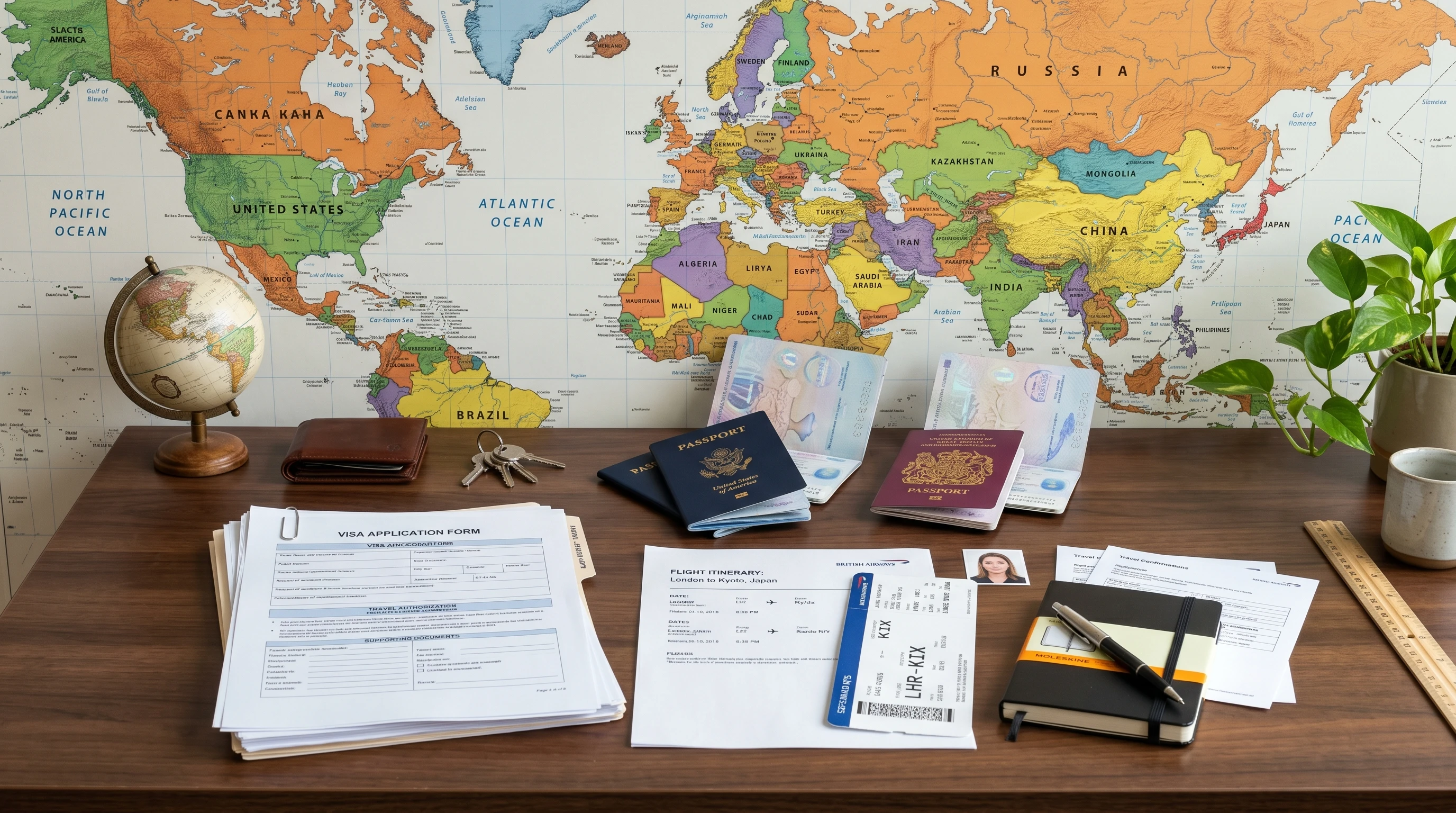
Understanding Work Visas
A work visa is a special permit that lets you work legally in another country for a set time. The requirements and process change from country to country, but the basics are often similar. Many governments issue several types of work visas depending on job type, duration, and skills. Some countries offer temporary work visas for short projects, while others provide permanent visas for those planning to stay longer.
When I started helping others figure out the process, I quickly realized how getting familiar with visa definitions and categories saves time. Some common types include:
- Temporary work visas: For contracts or jobs that are seasonal or under a couple of years.
- Skilled worker visas: If you have special training or work in industries with shortages, you may qualify here.
- Employer Sponsored visas: In this case, the company you’ll work for supports your application.
Understanding the difference helps in choosing the right pathway. Checking the exact visa you need is really important, as the wrong choice can delay everything. Even experienced applicants can find themselves stuck if they do not match the visa to the specifics of their employment and qualifications. A misstep at this stage could lengthen the wait or cost you opportunities, so take the extra time to review all your options before proceeding.
Preparing to Apply: What You Need Before You Start
Before you fill out a single form, gathering all your required documents saves time and frustration. Every country has its own checklist, but my experience has shown that you’ll almost always need these basic items:
- Valid passport: Make sure it’s not about to expire and has enough blank pages for visas and entry stamps.
- Job offer or employment contract: Most work visas require proof of a job, like an official offer letter from your employer.
- Proof of qualifications: This could be a diploma, degree, or skill certification. Certified translations may be needed if your documents are not in the destination country’s language.
- Proof of experience: Many applications ask for a resume or CV, and sometimes letters from past employers.
- Criminal background check: Most countries want to make sure you don’t have a recent criminal record. Getting this from your home country’s police or relevant authority is needed.
- Medical records: Some visas, especially for longterm stays, require a doctor’s report or medical test results.
Checking the destination country’s embassy website or talking to their consular staff keeps you up to date. I’ve also learned that keeping digital and paper copies of each document is super helpful, especially if you travel or need to meet deadlines.
If you plan on moving with dependents, additional paperwork like birth certificates or marriage certificates may be requested. In certain cases, you may also need updated photos that meet specific embassy guidelines, so it’s best to doublecheck for these unique requests ahead of time. When in doubt, ask the embassy directly for clarification.
Step By Step Application Process
The steps in a work visa application may vary, but I’ve found that most follow a broad pattern. Here’s a detailed breakdown:
- Review all eligibility requirements: Start by confirming if you qualify for your target visa. Requirements include age, education, job offer details, and sometimes minimum work experience.
- Gather all required documents: Using a checklist keeps everything organized. Missing one paper can cause delays or even rejection.
- Complete the application form: Download this from the official government site or fill it in online. Being thorough and honest with your details is really important.
- Pay the application fee: Work visa applications almost always come with a fee. Double Check you’re paying the correct amount and to the right place, whether online or by bank transfer.
- Submit your application: Sending your application can be online, by post, or directly to a local embassy depending on the country. Always keep copies and confirmation receipts in case you need proof later on.
- Attend an interview if needed: Some countries require you to visit their embassy or consulate for an inperson interview. This is where you answer questions about your plans and sometimes provide fingerprints or a photo.
- Wait for the processing period: Work visa processing can take anywhere from a few weeks to several months. Tracking your application online is a good idea if the service is offered.
- Receive your decision: If approved, you’ll get instructions for collecting your visa or having it added to your passport. If not, most countries send a reason and sometimes let you appeal or reapply.
I always recommend reading every instruction twice. Small mistakes on forms can cause problems that waste valuable time. Setting aside one quiet evening to fill out the forms without distraction can help you spot errors before they turn into bigger issues. Encourage someone you trust to look over your application draft as well. A fresh pair of eyes can catch oversights you may miss.
Extra Tips to Make Your Application Stronger
Presenting your documents in a clear, organized way often leads to faster and smoother application reviews. Here are some tricks I’ve learned from helping friends and clients:
- Doublecheck translations: If you need translations, make sure they’re official. Embassies usually want a certified translator’s stamp or signature.
- Use checklists: Keeping a list helps ensure nothing is forgotten. I check off items as soon as I have them in hand or scanned.
- Be consistent with your information: Dates and names on your CV, contracts, and passport should all match. Even small differences can trigger extra questions from immigration officers.
- Prepare proof of funds: Some countries ask for bank statements to show you can support yourself. Print clear, recent statements and highlight your balance if necessary.
- Track your deadlines: Visa windows may close quickly, and renewal dates matter. Setting reminders on my phone or calendar apps has saved me more than once.
Another simple but effective step is to organize your physical documents in a folder in the same order as your checklist. If meeting with embassy staff, this makes it easy to quickly provide whatever is asked for, showcasing your preparation. The more accessible and legible your paperwork is, the less likely you are to be sent back to get extra forms or corrections, which can slow things down.
Common Challenges (and How to Handle Them)
From my experience, the most common difficulties include missing paperwork, slow responses from employers, or confusion about which visa category to use. If something goes wrong, here’s what you should do:
- Contact the relevant embassy or consulate. Staff can clarify what’s missing and provide guidance; their advice is usually reliable so don’t hesitate to ask for help.
- Don’t send original documents in the mail unless specifically told to. Copies are usually okay, and you can bring originals to any interviews.
- If you can’t get a document in time, include a short letter explaining why and when it will be ready, if allowed. Honesty and proactiveness go a long way with officials.
Sometimes, international mail services are slow or unreliable. Preparing and sending documents with proof of delivery can help you track important papers and avoid anxiety about lost mail. If deadlines are tight or things seem unclear, it’s always better to call or email the embassy early rather than hope things work out last minute.
What To Expect After You Submit Your Application
The waiting period after applying can be stressful. Processing times vary widely, from a few weeks to several months. Many embassies offer online tracking or email updates, so I recommend signing up if it’s available.
During processing, you may be contacted for additional information. Sometimes, embassies ask you to resend certain documents or clarify information. Respond promptly if this happens. Delays in answering can push back your decision, and in rare cases you might have to provide updated documents if the process goes on for many months.
Once your visa is approved, you’ll either get a visa sticker in your passport or a digital authorization letter. Make sure you understand any travel or entry rules, as some visas must be validated or activated within a specific window. Entry officers at the border will want to see your visa, supporting documents, and possibly your return ticket or proof of accommodation. I keep all these documents in a travel folder that’s easy to access. Having printouts of emails, confirmations, or even your employer’s contact helps too if any questions come up at the airport.
Real World Example: Moving to Canada on a Work Visa
I have a friend who recently moved to Canada for a software engineering job. He applied for a skilled worker visa and needed an official job offer, copies of his degree, police clearance, and a health check. Translating documents into English and gathering proof of work experience was time consuming, but he stayed ahead by keeping a checklist and organizing everything in a digital folder. He got his visa within three months because his documents were complete and easy to find.
This example really shows how being organized and proactive plays a huge role in a smooth process. When unexpected questions from the embassy came up, he was able to quickly reply with the right paperwork, showing his preparation and making the embassy’s job easier—something that never hurts your case.
Frequently Asked Questions About Work Visas
Here are a few popular questions I hear often:
Question: Can I travel while my application is being processed?
Answer: In most cases, you can, but you must be available for interviews or to provide extra documents if asked. Check policies in advance, as leaving the country at the wrong time can sometimes slow down your case.
Question: Does getting a work visa guarantee I can bring my family?
Answer: This depends on the country and visa type. Some work visas include family members, while others require separate applications. Always check the details on the official government site.
Question: What do I do if my visa is refused?
Answer: Most embassies will send a reason for the denial. You may be able to appeal or reapply with extra documents. Carefully address any issues or missing information before trying again.
Essential Reminders For Smooth Work Visa Applications
Getting a work visa is a detailed process, but planning ahead and staying organized really pays off. Start early, doublecheck all requirements, and never hesitate to reach out to your future employer or the destination country’s embassy for advice. Each successful application supports your move abroad and helps launch your new career adventure with less stress. Careful preparation gives you the best possible chance of success. If you’re feeling overwhelmed, keep in mind that persistence and patience matter; every applicant deals with a few setbacks along the way. With thorough planning and clear communication, you can make your work visa process smoother and more successful.
